A Beautiful Day at Pangan Monastery: Prayer Flags, Cricket with Young Monks & Orchard Trails
Wild fruit orchards, 300 daily butter lamps, laughing with child monks, and celebrating life with Sister Flower in Kullu Valley.
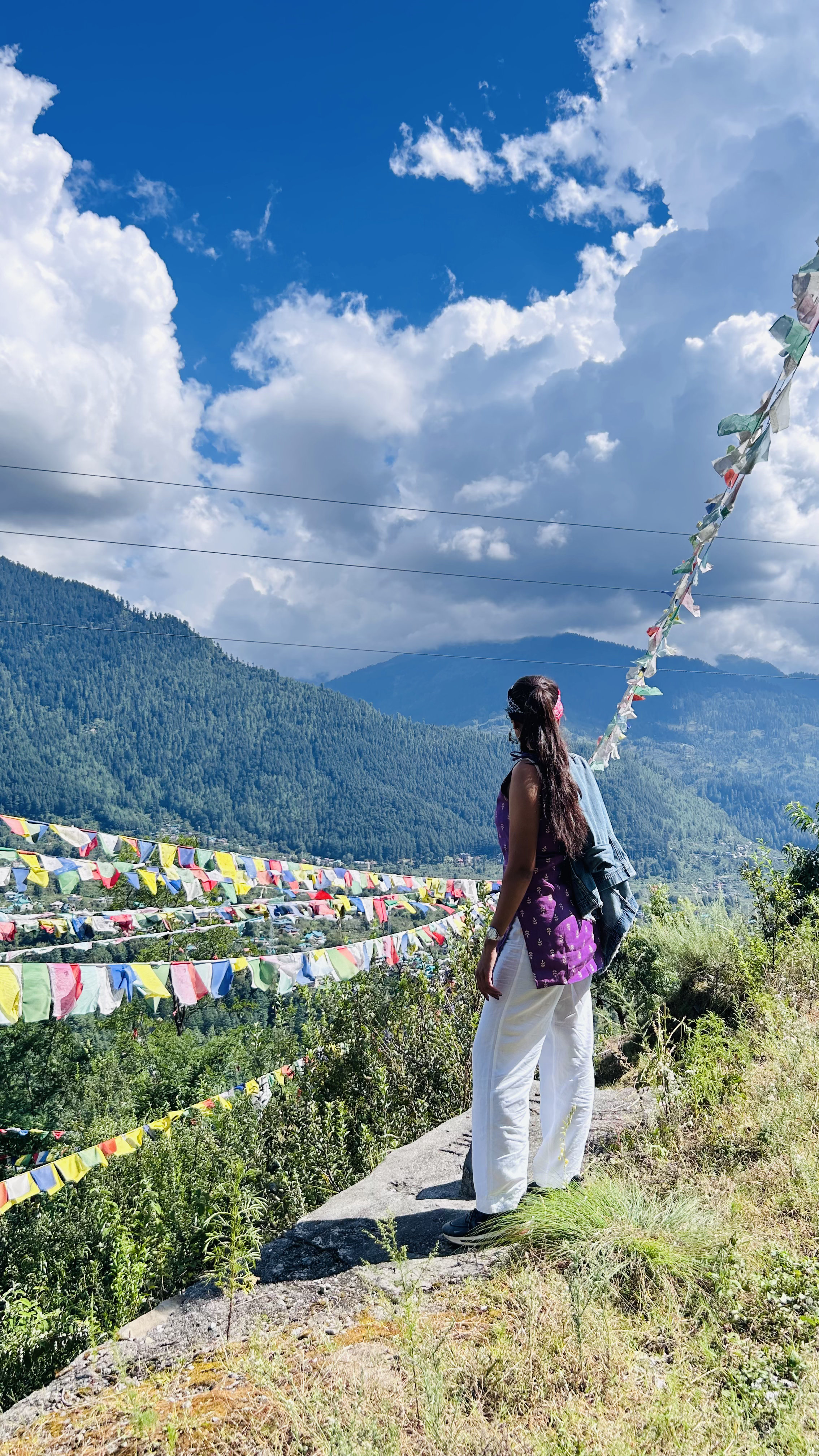
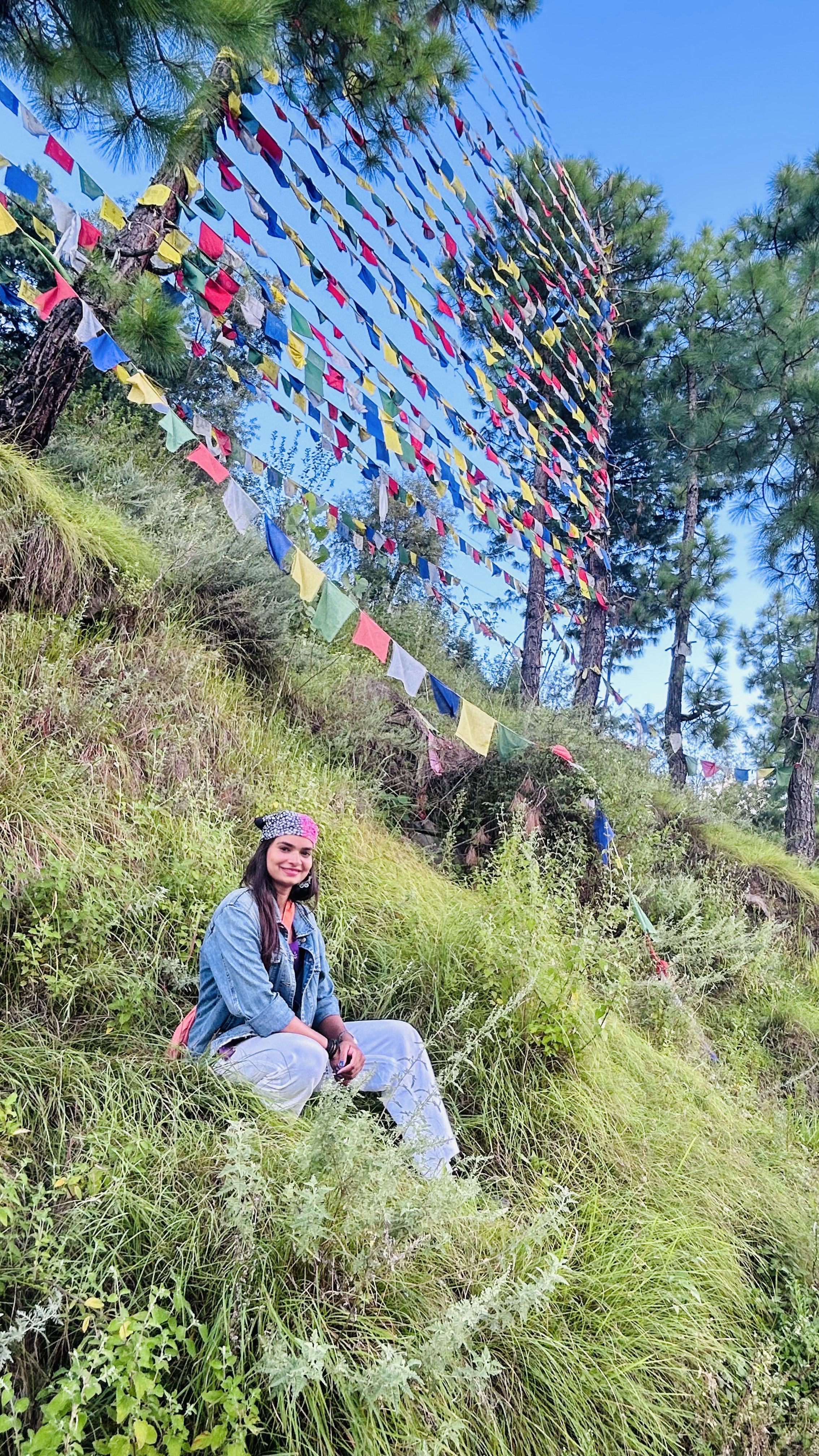
Tibetan prayer flags fluttering across Pangan Monastery in Kullu Valley, Himachal Pradesh
They say that happiness doubles when you share it with others. So today, I want to share a beautiful and very special experience with all of you.
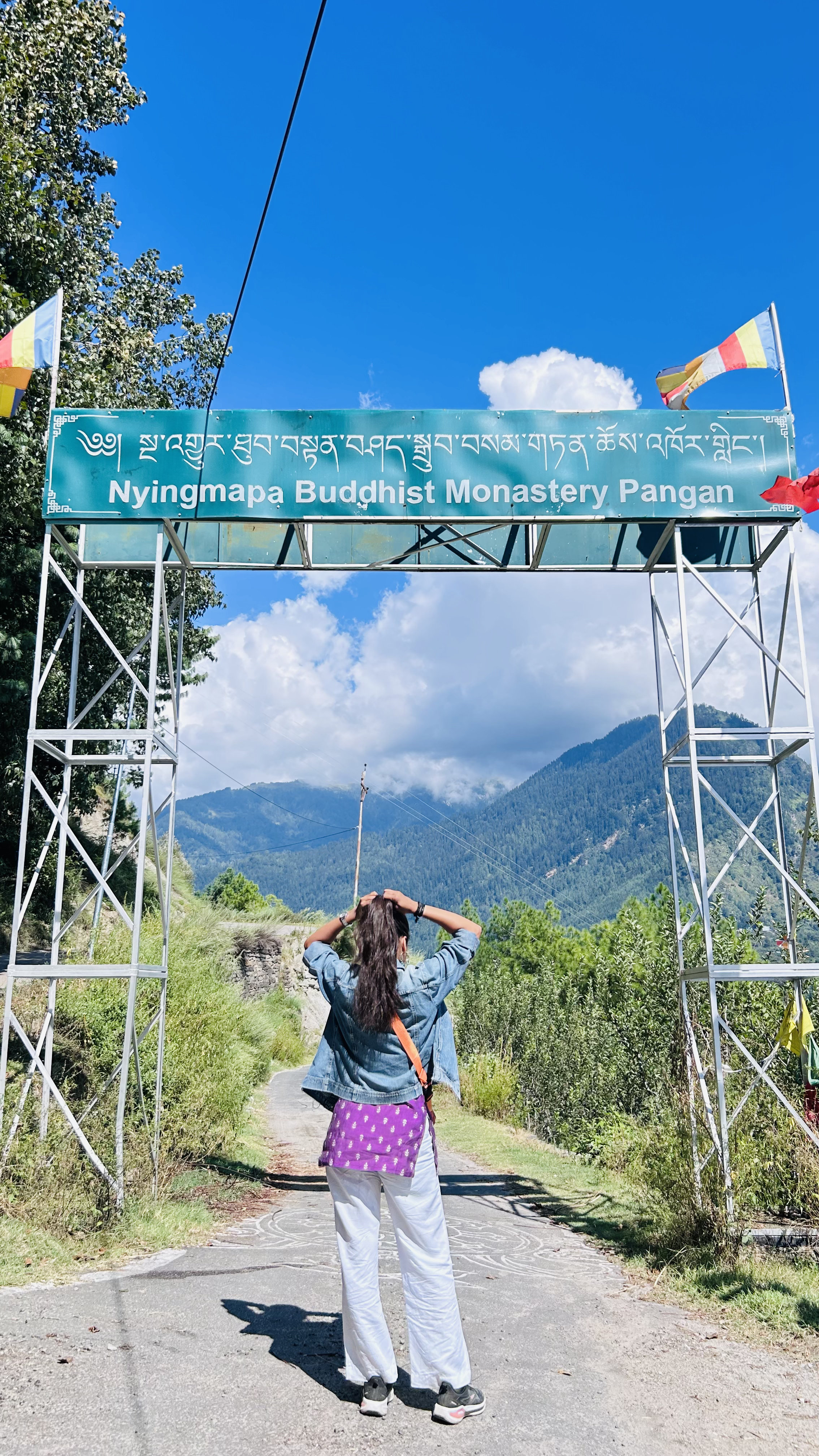
Yesterday, I visited Pangan Monastery, and honestly, the whole journey was beautiful—from the road to the destination.
The road was narrow, with wild green grass on both sides. Along the way, I saw beautiful orchards and different kinds of fruits—apple trees, plum trees, peach trees, and many more. One thing I absolutely love is picking fresh fruit directly from the trees and eating it. So, while enjoying the journey, eating fresh fruits, and stopping at beautiful places to take pictures, I finally reached Pangan Monastery.
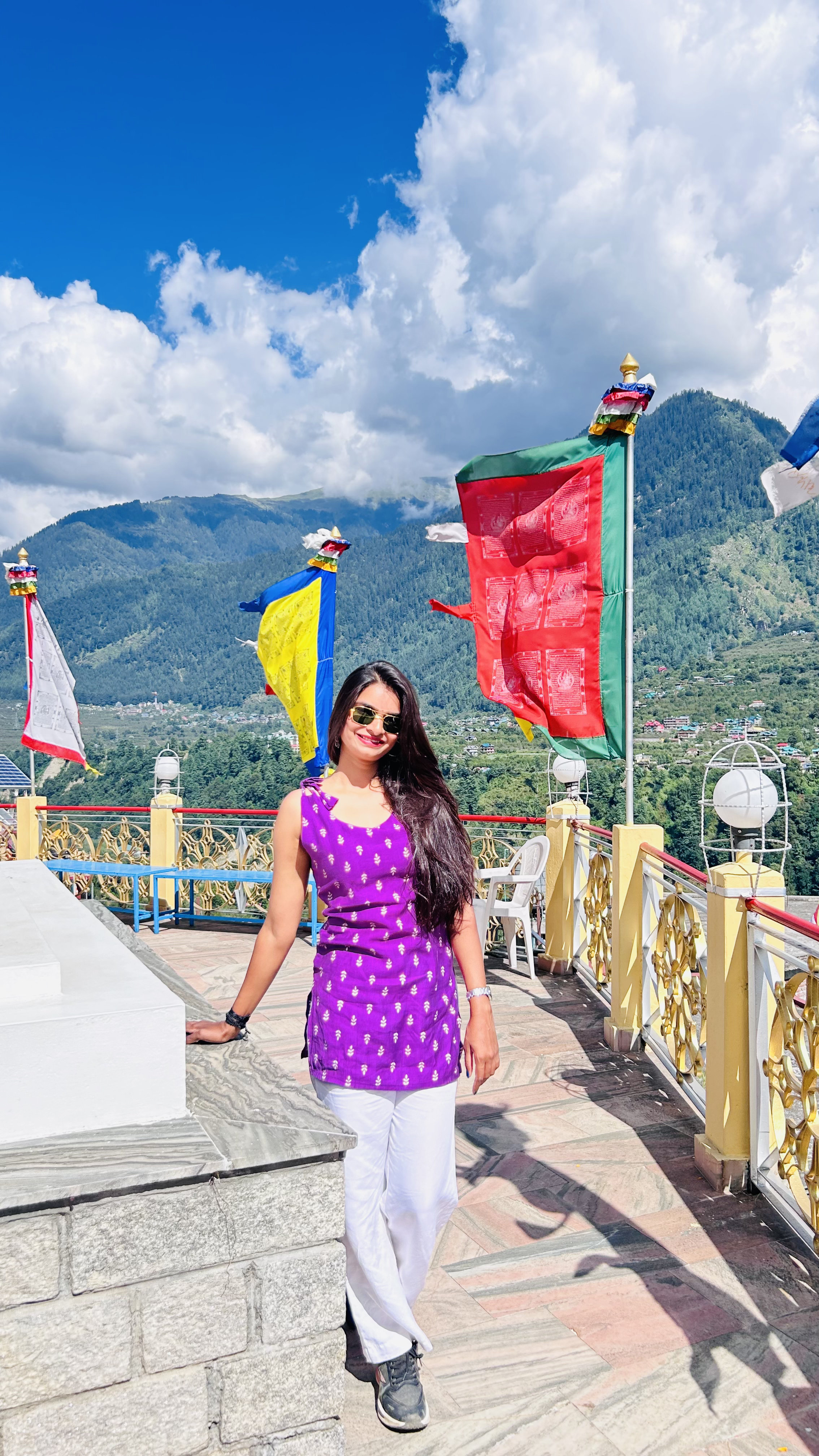
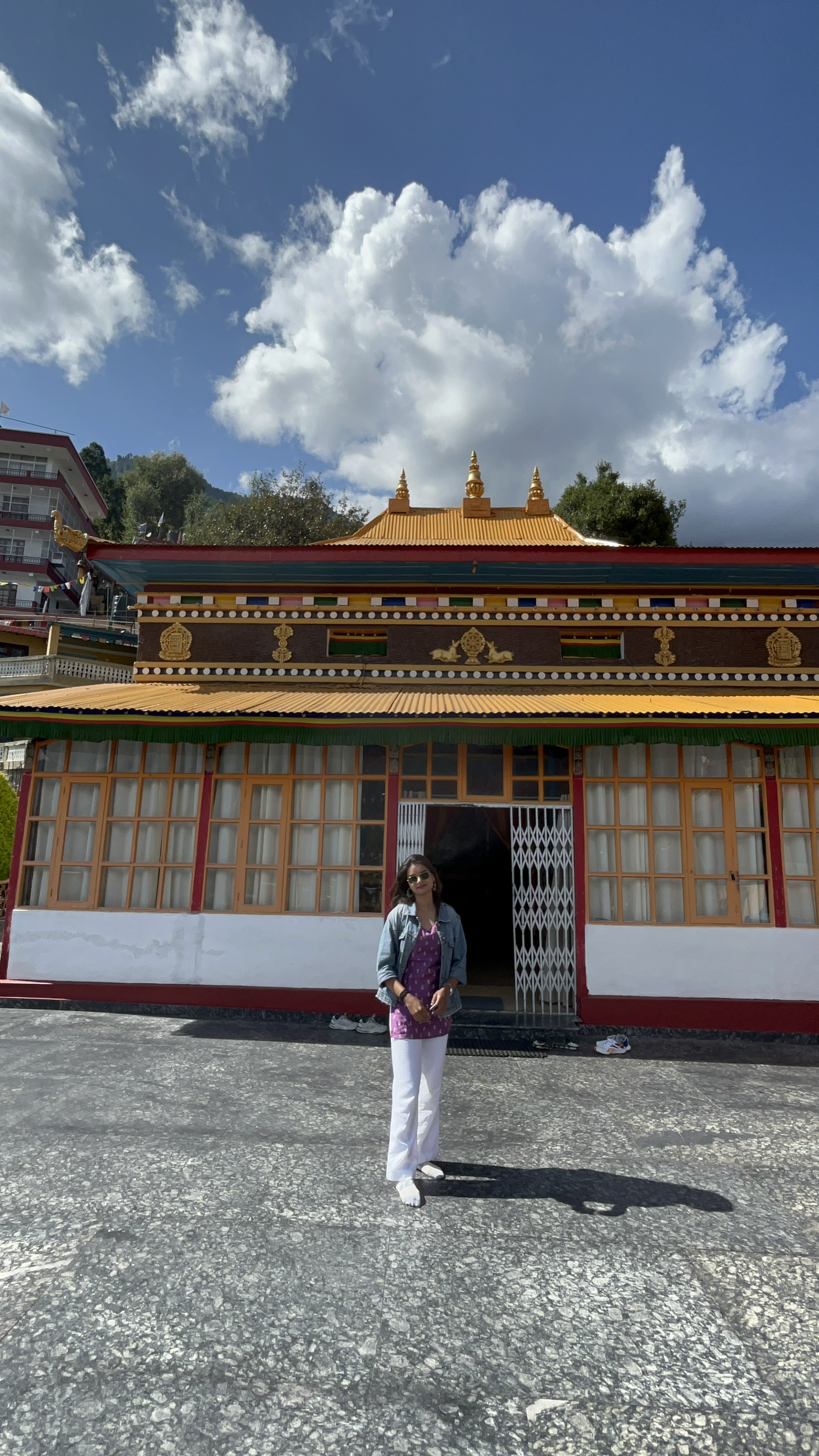
As soon as I reached there, I was amazed by the beauty of the monastery and the colorful Tibetan prayer flags everywhere. There were many different types and sizes of flags. Some were Lungta (Wind Horse)—horizontal prayer flags tied along a rope—and some were Darchor, the large vertical prayer flags placed on tall wooden poles. Prayer flags can be found around many monasteries, but the way they were placed here looked especially beautiful.
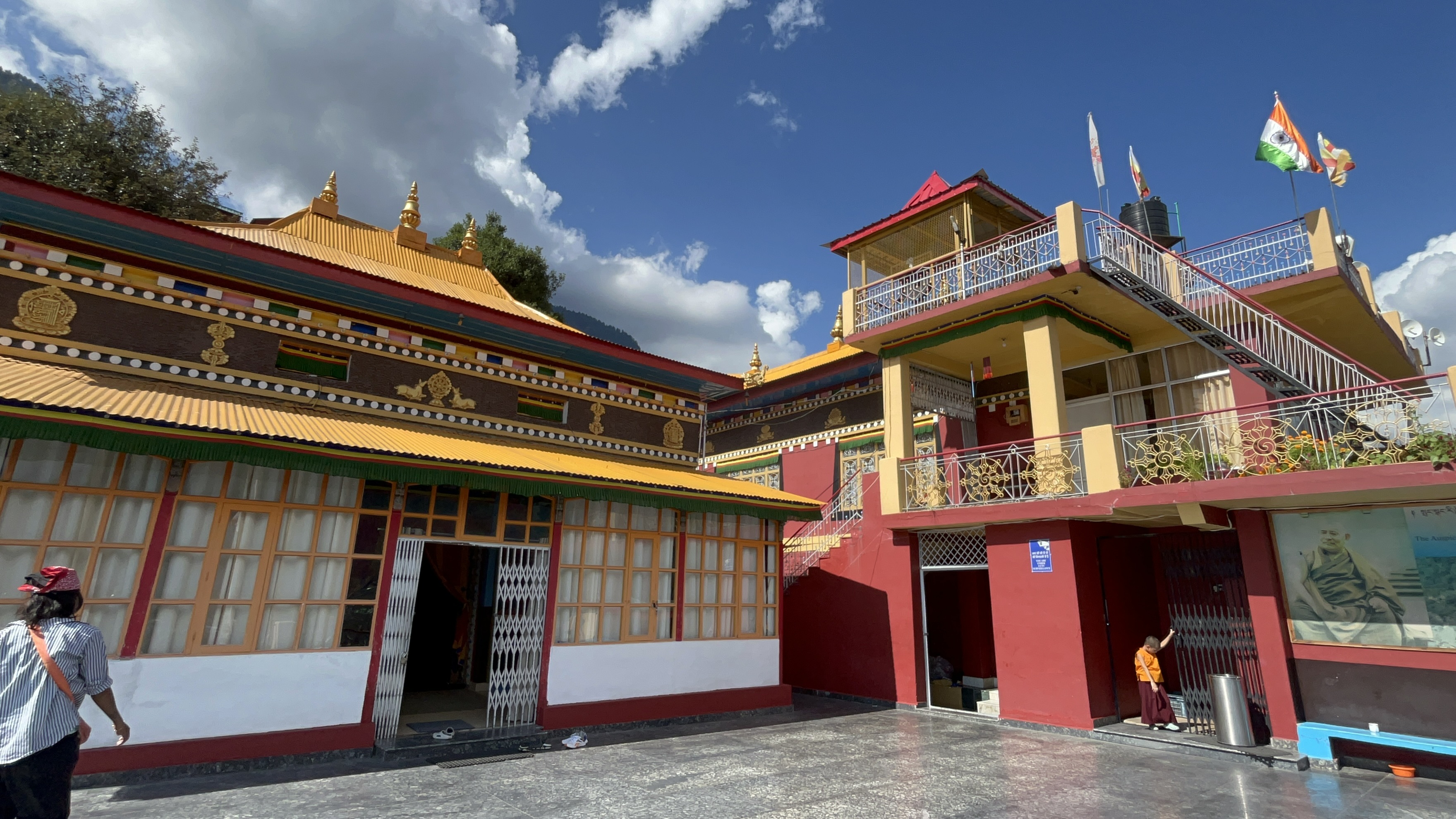
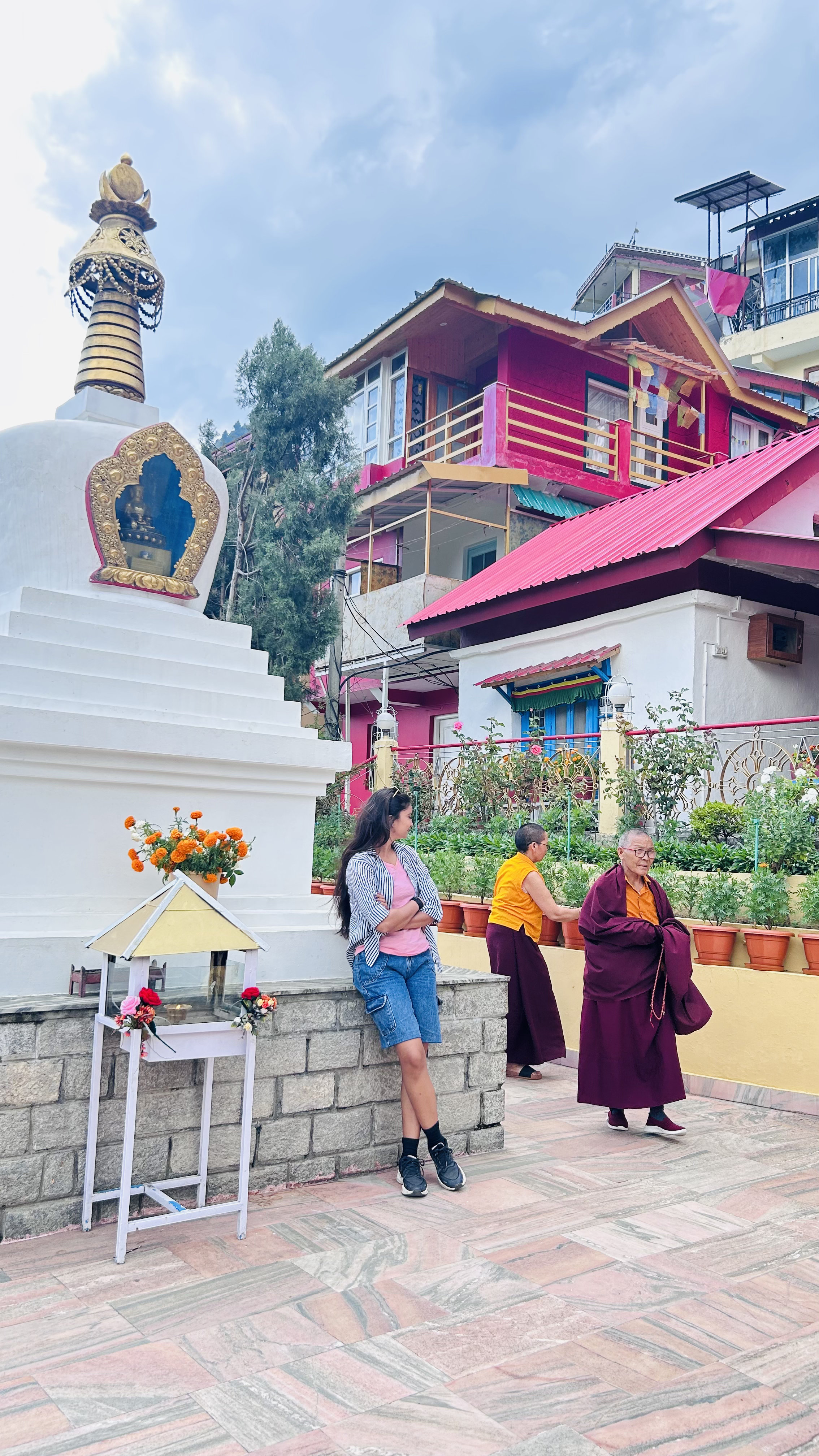
One thing that really caught my attention was that the children’s school, homes, and monastery were all in the same place. It felt like they had their own little world there—peaceful, simple, and completely different from our everyday life.
I spent some time inside the monastery, prayed, and then sat there for meditation. The place was so peaceful. I could feel a completely different kind of energy and spiritual vibe there.
After that, I saw some little children playing outside. They were monks, and they were so young. Looking at them made me feel both happy and emotional. I kept thinking about how these little children were living away from their parents and families at such a young age and following the life of a monk.
But soon, I started playing cricket with them, talking to them, and having fun. Their smiles and innocence made the whole experience so special.
There was one little boy who was carrying a small diary and doing some writing. He asked me my name and said, “Didi, I will write your name.” He then wrote my name in the Tibetan language. It was such a sweet moment, and I even took a picture of it.
While talking to the children, I learned that everyone had a different story. Some of them had parents, while some did not. Some had been left there permanently by their parents, some families could not afford to take care of them, and some children had been brought there because of difficult family situations, such as being raised by a single parent. Every child had their own story.
But one thing that made me really happy was the way the monastery management takes care of these children. It felt almost like an NGO. Their food, clothes, education, living arrangements, and even pocket money are properly taken care of. They are also given different kinds of food that we normally enjoy in our daily lives—Chinese, Italian, Indian, Himachali, Tibetan, French, and many other types of food. Seeing the children happy, healthy, and enjoying their life there made me feel really good.
I also learned something very important: just because these children are monks today does not mean they have to remain monks forever. When they grow up, they are free to choose their own path. They can choose their career and live a normal life just like anyone else. Knowing this made me feel even more positive about their future.
While exploring the monastery, I also noticed many butter lamps. They were being cleaned very carefully, and they looked almost brand new. Around 200–300 lamps are lit every day, starting in the morning, and by evening they are cleaned and prepared for the next day. There were also many bowls of different sizes. Every day, they are filled with water and arranged neatly in rows according to their size. Around 20 litres of water are offered daily as part of their religious practice.
At the time of my visit, a special 45-day Tibetan Buddhist festival was also going on. During this period, people wake up around 4 a.m. every morning for prayers and spiritual practices. There were monks of different ages. Most of the younger monks were boys, ranging from around 5–6 years old to 19–20 years old, while the female monks I saw were older.
I spent quite a lot of time there, walked around the monastery, prayed, and enjoyed the peaceful atmosphere. Eventually, it was time for me to leave and go home. But before leaving, I decided that I would come back the next day.
And I did.
This time, I came with lots of chocolates, snacks, and some balls for the children. Their happiness when they saw everything was priceless. I also planned a little pre-birthday celebration with them because celebrating my birthday with these beautiful children had been a dream of mine. And honestly, it became one of the most memorable moments of my life.
We played games, celebrated together, laughed, and spent time with each other. Seeing their smiles made my heart so happy. I truly wish that all of these children always stay healthy, happy, smiling, and full of life.
During my visit, I also met a wonderful sister named “Flower.” Yes, Flower—that was her name, and I found it so unique. She had such a kind, loving, and beautiful nature. I spent quite some time talking with her, and I really enjoyed our conversation. I also had food there, and the food was simple, healthy, nutritious, and delicious.
Eventually, it was time for me to leave. Saying goodbye was honestly a little sad. I didn’t want to leave, but I kept telling myself that I would come back again. And I definitely will.
So, this was my beautiful experience at Pangan Monastery.
Sometimes, we think happiness comes from big achievements, expensive things, or special occasions. But sometimes, happiness is simply spending time with innocent children, sharing food, playing games, praying, laughing, and making someone smile. This visit gave me much more than just beautiful pictures. It gave me memories, peace, love, and a different perspective on life.
And if I have to say one thing after this experience, it would be: Do whatever makes your heart happy. Life is too short not to do the things that bring you joy.
Rama's Verified Visitor Guide
- Location:
- Pangan Village, Left Bank Road, Kullu Valley, Himachal Pradesh
- How to Reach:
- Located roughly 14 km from Kullu town along the quiet Left Bank road towards Naggar. Best reached by hiring a local taxi or travelling with a private companion away from the congested NH-3 highway.
- Time Needed:
- 2 to 4 hours for a peaceful visit, temple walk, and courtyard meditation; half a day if exploring surrounding village orchards.
- What to Expect:
- A functioning Tibetan Buddhist monastic community, school, and meditation hall. 200–300 daily brass butter lamps, sacred water bowl rituals, and quiet mountain air.
- Etiquette & Monastic Respect:
- Circumambulate prayer wheels and shrines in a clockwise direction. Remove footwear before stepping into the inner prayer hall. Dress respectfully covering shoulders and knees. Speak in low, gentle tones and always ask permission before photographing resident monks or prayer rituals.
- Rama's Companion Note:
- If visiting during fruit harvest, local families along the trail often welcome respectful conversation. Bring light notebooks or small sports balls if you wish to share a joyful moment with the school children.
Field Photographic Records
Planning a Trip to Himachal Pradesh?
Explore with a trusted female companion. Transparent flat companion fees ($120/day) and zero markups.